



































Quality Testing for Smartphone Sourcing: Turning Acceptance Conditions into a Workable Plan
A practical framework for comparing smartphone sourcing options and writing inspection criteria that can actually be executed, including a hypothetical scenario and an acceptance checklist.
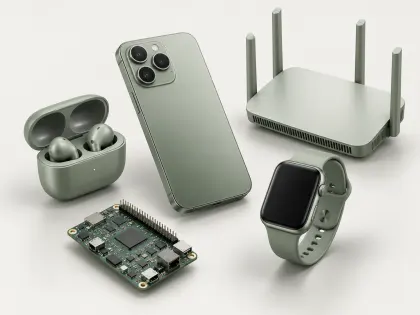
Quality testing is where a smartphone sourcing plan either becomes enforceable or stays a set of good intentions. Because phones combine radio modules, batteries, displays, cameras, firmware and mechanical parts, acceptance criteria must be written at the level of the finished device, not only at the component level. This article sets out a way to compare sourcing options and to define checks that a third party can perform consistently.
Start with the intended use
A phone sold as a low-cost feature device, a refurbishment candidate, or a device for a specific market carries different risk profiles. Before comparing suppliers, write down the network bands required, the expected battery life in use, the operating temperature range, and the interface set. These requirements determine which tests matter. A device intended for outdoor work, for example, needs stronger attention to sealing and drop behaviour than one used mainly indoors.
Compare sourcing options on evidence, not labels
When comparing suppliers or trading partners, ask for the same evidence from each: a bill of materials with key component part numbers, firmware version control, test records for the model, and a clear description of how units are sampled. A regional directory entry is a starting point for finding candidates, not proof that a particular factory makes a particular phone. Treat cluster listings as a map of where capabilities may exist, and verify each candidate individually.
Define the acceptance test set
A practical acceptance plan for smartphones usually combines four layers. First, incoming component checks: battery cell identity, display module grade, camera module specification, and connector type. Second, in-process checks: soldering quality on the main board, shielding installation, and antenna connection. Third, finished-device functional tests: power-on, charging, touch response, camera focus, speaker and microphone, Wi-Fi and cellular connection, and sensor response. Fourth, reliability sampling: drop, vibration, temperature cycling, and charge-discharge cycling on a defined sample size.
Each test needs a method, a sample size, an acceptance threshold, and a record format. "Good quality" is not a threshold. "No more than one unit in twenty fails the charging test after three charge cycles" is. Where a test depends on specialist equipment, such as radio frequency or battery safety testing, note that an accredited laboratory or a qualified engineer should define the method and interpret the results.
Hypothetical scenario
Suppose a buyer is comparing two sourcing routes for a mid-range smartphone model: one through a Shenzhen-based supplier offering smart devices and PCBA work, and one through a Dongguan-based contract assembly provider. Both quote a similar unit, but the buyer cannot inspect both factories in person. The buyer requests the same evidence pack from each: component list, firmware version, a sample test report, and a proposed sampling plan. The Shenzhen supplier provides a detailed component list but a thin test record; the Dongguan provider provides a clearer sampling plan but a less specific component list. Rather than choosing on price alone, the buyer asks each to run the same finished-device functional test on a small pilot batch and to document failures. The pilot results, not the sales presentation, become the basis for the order. This scenario is hypothetical and is intended only to illustrate how evidence can be compared.
Where specialist review is needed
Battery safety, radio conformity and electrical safety are areas where self-declared results carry limited weight. A qualified testing laboratory or a compliance specialist should review the applicable requirements for the destination market and confirm which tests are relevant. The buyer's role is to ensure the review happens before mass production, not to substitute a general checklist for it.
Actionable checklist
1. Write the intended use, network bands, battery expectations and operating conditions before contacting suppliers.
2. Request the same evidence pack from every candidate: component list, firmware control, test records, sampling plan.
3. Separate component-level, in-process, finished-device and reliability checks into distinct stages.
4. For every check, define method, sample size, threshold and record format.
5. Run a pilot batch and compare documented failure rates rather than claims.
6. Confirm who will interpret specialist results, such as battery and radio testing.
7. Keep a signed acceptance document with the purchase order so that inspection criteria travel with the order.
8. Re-test after any component, firmware or process change.
A sourcing plan is only as strong as the acceptance conditions attached to it. Writing those conditions carefully, and verifying them with evidence, is what turns a supplier comparison into a decision that can be defended later.
Share the product, specifications, quantity and destination to discuss sourcing options.